Health and Safety Policy for Cleaner Brixton
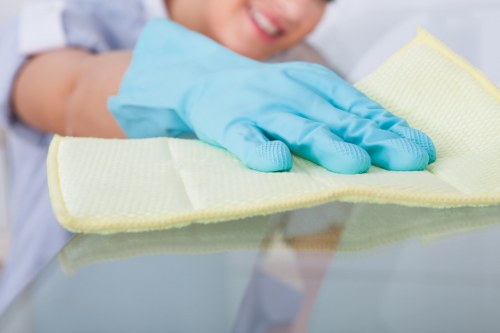 Cleaner Brixton is committed to maintaining a safe, healthy, and responsible working environment for all cleaning operations. This policy sets out the standards expected of every cleaner, supervisor, and manager involved in our services. It applies to all tasks carried out in homes, offices, communal spaces, and other premises where cleaning services in Brixton are delivered. Our approach is based on prevention, awareness, and consistent safe practice, ensuring that every professional cleaning service is completed with care and control.
We recognise that cleaning work can involve slip risks, chemical exposure, manual handling, and the use of equipment. For that reason, health and safety is treated as a core part of daily operations rather than a separate activity. All staff are expected to follow safe systems of work, report hazards promptly, and use the correct equipment for each task. This includes careful handling of detergents, attention to floor conditions, and respect for client property and occupants.
 The purpose of this policy is to reduce preventable incidents and to support a consistent standard of safe practice across all assignments. The Cleaner Brixton team will assess working conditions before starting each job, identify any immediate hazards, and adapt the cleaning plan where necessary. If a task cannot be carried out safely, it must be paused until the risk has been reduced. Safety always takes priority over speed.
Every cleaner is expected to work with care, follow instructions, and use suitable personal protective equipment when required. Gloves, non-slip footwear, and eye protection may be necessary depending on the task. Where equipment such as vacuums, steam cleaners, or extension tools is used, staff must check that it is in good condition before use. Any defect, damage, or unusual performance must be reported immediately and the item must not be used until it has been made safe.
Chemical safety is a key part of this policy. Cleaning products must be stored, labelled, and used according to instructions. Products should never be mixed unless the manufacturer specifically allows it, as this can create harmful fumes or reactions. Staff should use the minimum effective amount of product and ensure rooms are ventilated where possible. In the event of accidental contact with skin, eyes, or surfaces, the correct first response must be followed without delay.
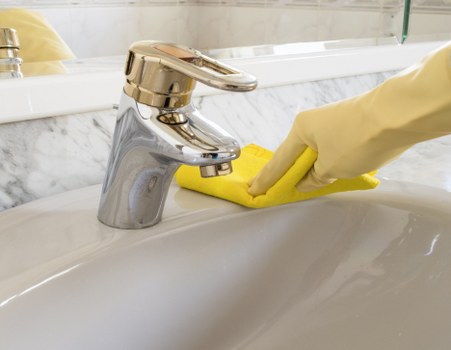 Manual handling is another important area of control. Cleaning staff may need to lift bins, move furniture, carry supplies, or transport equipment. To lower the risk of strain or injury, workers must assess loads before lifting, bend safely, and ask for assistance when an item is too heavy or awkward. Repetitive movements should be managed with sensible breaks and task variation where practical. Maintaining safe posture and controlled movement is essential in domestic cleaning Brixton and commercial work alike.
Slips, trips, and falls are among the most common risks in cleaning environments. Floors should be clearly marked when wet, and cleaning should be arranged to avoid unnecessary disturbance to other people using the area. Cables, mops, buckets, and other items must be positioned so they do not create hazards. Staff must remain alert to uneven surfaces, poor lighting, clutter, and hidden obstacles. Where a risk cannot be removed immediately, it must be controlled and reported.
Training and supervision are fundamental to safe working. All staff must receive suitable instruction before working independently and must be updated when methods, equipment, or products change. Supervisors are responsible for reinforcing good practice, monitoring compliance, and ensuring that any concerns are addressed quickly. New starters should be supported until they demonstrate a clear understanding of safe procedures. The aim is to make cleaning operations efficient without compromising welfare.
Emergency preparedness is also part of our health and safety approach. Staff must know how to respond to spills, minor injuries, fire alarms, and other urgent situations. Where relevant, cleaners should be familiar with the location of exits, isolation points, and first aid arrangements. In any emergency, personal safety comes first, followed by the protection of others and the prompt reporting of the incident. Accurate incident records help improve future prevention measures and support accountability.
 We also expect all work to be carried out with respect for clients, colleagues, and the environment. Waste must be handled responsibly, surfaces should be treated with the correct products, and water use should be controlled where possible. A professional cleaner should avoid rushing, should not improvise unsafe methods, and should always remain mindful of the people around them. This standard supports a reliable health and safety policy that is practical, clear, and consistent.
Occupational wellbeing matters as much as physical safety. Cleaning duties can be physically demanding, so staff should be encouraged to speak up if they are unwell, fatigued, or unable to complete a task safely. Breaks, hydration, and manageable workloads help reduce mistakes and injury. Managers should review assignments regularly to make sure expectations remain reasonable and risks are properly controlled. A healthy workforce is central to good service delivery.
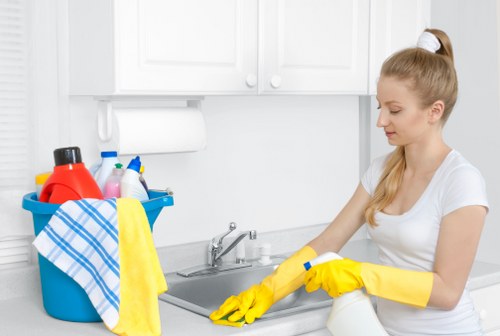 This policy will be reviewed regularly to make sure it remains suitable, effective, and up to date. Changes in equipment, working methods, or legal expectations will be reflected in future updates. By following this policy, Cleaner Brixton aims to provide dependable services while protecting staff, clients, and property. Safe practice is not optional; it is the foundation of every cleaning task we carry out.