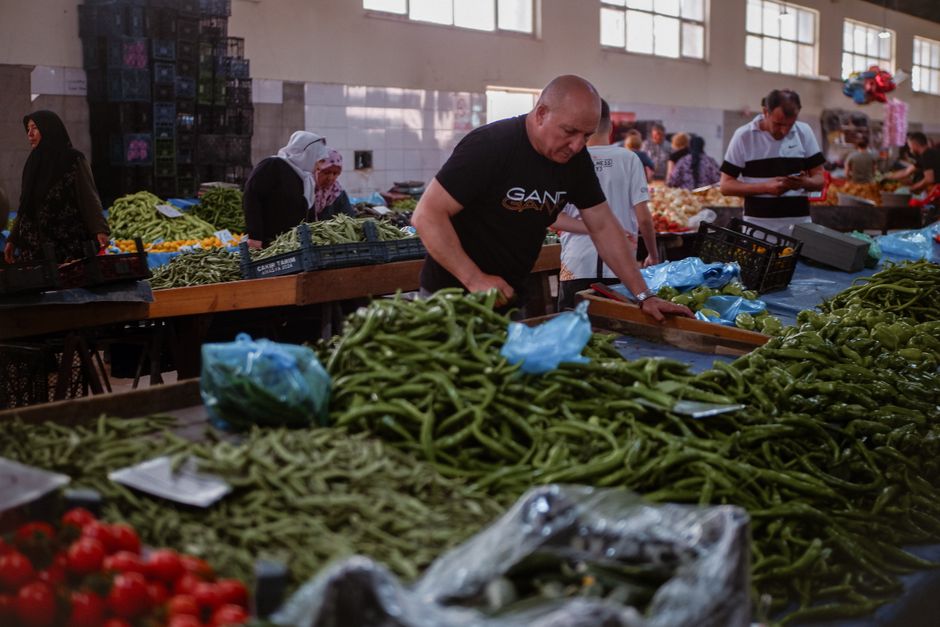
Brixton Market stall cleaning guide for traders

If you trade at Brixton Market, you already know the stall is never just a stall. It is your shopfront, storage space, workspace, and first impression all in one. A good Brixton Market stall cleaning guide for traders helps you keep that space tidy, safe, and welcoming without wasting precious selling time. And truth be told, on a busy London trading day, cleaning has to be practical, not theoretical.
In this guide, you will find a realistic routine for day-to-day stall cleaning, a deeper clean plan for quieter periods, common mistakes to avoid, and the standards traders should keep in mind. You will also see where professional support can make life easier, especially if your stall has greasy fittings, dusty fixtures, or high-traffic flooring that never seems to stay clean for long.
One thing most traders learn quickly: cleaning well is not about making everything look perfect for five minutes. It is about staying ahead of grime, odours, spillages, and wear so your pitch feels cared for every single day.
Why Brixton Market stall cleaning guide for traders Matters
A market stall is exposed to more mess than a standard shop unit. Foot traffic brings in dirt. Packaging sheds crumbs and dust. Food stalls deal with spills, grease, and odours. Clothing and craft stalls collect fingerprints, fabric fibres, tape residue, and that mysterious layer of grime that seems to appear overnight. If you are based in Brixton, with the pace and variety of the market environment, these issues can build up fast.
Cleaning matters because it affects more than appearance. It shapes customer confidence, supports hygiene, reduces slips and trip hazards, and helps your equipment last longer. A sticky counter or dull floor can quietly damage sales because people notice. They may not say anything, but they feel it.
There is also a practical side. A clean stall is easier to work in. You spend less time searching for tools, wiping the same surface twice, or dealing with avoidable contamination. You can focus on serving people rather than managing mess. Simple, really, but easy to miss when the market gets hectic.
For some traders, the pressure point is shared space. You are not only cleaning your own display area; you may also be working around communal walkways, shared touchpoints, bins, or loading zones. That makes a consistent routine even more important. If your business has a broader commercial setup too, a structured service such as commercial cleaning support can help keep standards steady across the week.
Expert summary: The best stall cleaning routine is the one you can actually keep up with. Small daily actions, sensible weekly tasks, and occasional deep cleaning will beat a frantic wipe-down every time.
How Brixton Market stall cleaning guide for traders Works
Think of stall cleaning as three layers: before opening, during trading, and after closing. Each layer has a different purpose. Pre-opening cleaning is about readiness. Mid-day cleaning is about control. Closing cleaning is about reset and protection.
In practice, traders often work with limited water, limited storage, and very little time. That means the routine has to be light on fuss. Use the smallest set of products that genuinely does the job. Microfibre cloths, sanitising spray where appropriate, a mop or floor pads for hard flooring, and a waste plan are usually the core essentials.
If your stall includes soft furnishings, mats, rugs, seating, or fabric display elements, they need specific care. Soft materials hide dirt more easily than hard surfaces and can hold smells after a wet day or a food spill. In those cases, extra methods such as upholstery cleaning, rug cleaning, or even steam carpet cleaning may be useful during deeper maintenance.
The guiding principle is simple: clean from the least dirty area to the most dirty, and from top to bottom. That way you do not undo your own work. Wipe shelves first, then counters, then lower units, then floors. It sounds obvious, but it saves time and stops debris falling onto freshly cleaned surfaces. Happens to everyone at least once.
Key Benefits and Practical Advantages
A well-run cleaning routine pays off in several ways, and not all of them are visible at first glance.
- Better customer perception: a neat stall looks reliable, cared for, and worth approaching.
- Safer working conditions: fewer spills, loose items, and slippery patches.
- Longer life for fittings: regular wiping prevents build-up on counters, shelving, and flooring.
- Less odour and residue: especially important for food traders and mixed-use stalls.
- Faster closing time: small daily cleans make the end of the day easier.
- More efficient stock handling: less clutter means quicker setup and pack-down.
There is also a subtle but important benefit: cleanliness creates calm. When the stall is organised, the whole trading day feels more manageable. You are not moving around cups, cardboard, dust, or bins just to reach your till. That little bit of calm is worth a lot when the market is busy.
For traders who want a steadier long-term routine, something like regular cleaning can be a sensible fit if the stall has recurring high-use areas or you simply need reliable support between trading days.
Who This Is For and When It Makes Sense
This guide is for market traders, stallholders, and concession operators who need practical cleaning advice for a small commercial space. It is especially useful if you sell food, drinks, fashion, homeware, beauty products, plants, or second-hand goods, because each of those categories creates a different kind of mess.
It also makes sense if you are:
- setting up a new stall and want a cleaning system from day one
- managing a stall that has become harder to keep tidy
- preparing for a busy weekend or seasonal rush
- dealing with odours, stains, grease, or heavy footfall
- trying to reduce closing-time stress
- sharing a market environment where presentation really counts
If your work area doubles as a prep space or storage area, the need becomes even clearer. A stall can look neat from the front and still be messy behind the display. That hidden clutter usually becomes a problem later, often right when you are already behind schedule. Funny how that works.
Step-by-Step Guidance
1. Start with a clear surface reset
Remove loose stock, packaging, delivery notes, and anything that does not belong on the counter. Use a clean crate or box as a temporary holding area if space is tight. This stops you wiping around objects and missing the hidden dirt underneath.
2. Clear crumbs, dust, and debris first
Before using liquid cleaners, sweep or dry-wipe the stall. This is especially important for counters with grooves, display racks, and floor edges where debris gathers. If you skip this step, you will just turn dust into paste. Not ideal.
3. Clean high-touch points carefully
Focus on handles, payment areas, drawer pulls, menu boards, latches, and any place customers or staff touch repeatedly. These points often look clean until you run a cloth over them and realise otherwise. A little detail here goes a long way.
4. Treat stains and sticky residue properly
Do not scrub aggressively straight away. Test a mild method first and work gently, especially on painted surfaces, laminates, and display materials. For stubborn residue, use a targeted stain approach rather than soaking everything. If the issue is more serious, a dedicated stain removal service can sometimes be more cost-effective than replacing worn items.
5. Clean food-contact and prep areas with extra care
If you handle food or samples, keep your cleaning routine disciplined. Use suitable products, separate cloths for different tasks, and a strict wipe-down schedule. Even if your stall is not a full food unit, any surface where items are handled should be treated with care and consistency.
6. Refresh the floor last
Floors are where everything ends up: mud, rainwater, packaging, flour, sand, glitter, tape, you name it. Sweep first, then mop or wipe depending on the surface. If your stall has tough flooring, a specialist approach such as hard floor cleaning can help restore grip and appearance.
7. Finish with a final check
Step back and look at the stall as a customer would. Can you see streaks? Does anything smell off? Is stock evenly placed? This final check is quick, but it catches the little things. And the little things matter.
Expert Tips for Better Results
After enough market cleans, you start noticing patterns. Some are obvious, some less so.
Keep two cloth systems. One for general surfaces and one for anything food-related or heavily soiled. Mixing them up is where trouble starts. A colour-coded system helps, even if it feels a bit over the top at first.
Work in zones. Break the stall into front display, customer touchpoints, prep area, storage, and floor. Cleaning the same order every time makes the job faster because your hands and eyes learn the routine.
Deal with spills immediately. A five-second wipe now can save a half-hour repair later. Grease, juice, sauce, and muddy water all behave differently, but none of them improve with time.
Think about odour, not just dirt. Markets can trap smells in fabric, packaging, and corners. If your stall has upholstered seating or soft promotional materials, occasional specialist treatment may be needed. That is where pet stain odour removal is not the only option available, but it does show the kind of attention needed when smells linger in soft materials.
Protect the finish. Harsh chemicals can dull surfaces, lift coatings, or leave residue that attracts more dirt. Gentle, appropriate cleaning is usually better than a dramatic one-off blast.
Leave drying time. In a market environment, wet surfaces are risky. Open, ventilated drying is often enough, but do not pack away equipment too soon. You will know when you have rushed it because everything feels slightly clammy. A charming detail, really, but not the one you want.
If your stall also has glass display panels, front windows, or glazed sections, finishing with a clean shine can make the whole pitch look sharper. Many traders pair their routine with window cleaning for that reason, especially before busier trading periods.
Common Mistakes to Avoid
Even experienced traders slip into a few habits that make cleaning harder than it needs to be.
- Using too much product: more spray does not mean more clean. It often means residue.
- Cleaning in the wrong order: if you do the floor first, you will just drop debris on it again.
- Ignoring corners and edges: grime tends to build where people do not look.
- Mixing cloths and tasks: this can spread dirt rather than remove it.
- Leaving spillages until closing: they set, stain, and smell worse.
- Skipping ventilation: wet stalls and poor airflow create a stale atmosphere fast.
- Forgetting the hidden areas: under counters, behind shelving, and around storage crates often need more attention than the front display.
One mistake worth calling out separately is trying to solve every issue with a deep clean only. Deep cleaning is valuable, yes, but if the daily routine is weak, the problem just comes back. It is a bit like bailing water without fixing the leak.
Tools, Resources and Recommendations
You do not need a giant kit to keep a market stall clean. A lean, sensible set of tools usually works best.
| Tool or resource | Best use | Why it helps |
|---|---|---|
| Microfibre cloths | General wiping and polishing | Good pickup for dust and light grease |
| Spray bottles | Controlled product use | Reduces waste and over-wetting |
| Small broom or handheld sweeper | Crumbs and dry debris | Quick between customers |
| Mop or flat floor pad system | Hard flooring | Efficient on busy trading surfaces |
| Disposable gloves | Messy or hygiene-sensitive tasks | Useful for comfort and protection |
| Covered waste bin | Packaging and food waste | Controls odour and keeps the stall neat |
| Dedicated storage crate | Temporary item holding during cleaning | Stops stock ending up on the floor |
For traders whose stalls include fabric seats, cushions, or upholstered display pieces, specialist support can make a noticeable difference. Services like sofa cleaning, upholstery cleaning, and curtain cleaning can help refresh areas that a cloth alone will not properly restore.
If your cleaning needs are broader than the stall itself, you may also find commercial carpet cleaning useful for other business areas with foot traffic, especially if your operation has back-of-house carpets or waiting spaces.
Law, Compliance, Standards, or Best Practice
When cleaning a market stall, the main thing is to follow sensible UK best practice for hygiene, safety, waste handling, and risk reduction. The exact obligations will depend on the goods you sell, the structure of your stall, your tenancy terms, and any market-specific rules set by the operator. So, a cautious approach is best.
At a minimum, traders should think about:
- Health and safety: reduce slip risks from wet floors, clear trip hazards, and store cleaning items safely. A solid internal reference point is the site's health and safety policy.
- Insurance awareness: check what your cover expects if you use contractors or store cleaning equipment on-site. The page on insurance and safety is a useful starting point for understanding how careful working practices fit together.
- Waste and sustainability: separate recyclable packaging where possible and avoid unnecessary chemical waste. Cleaner systems often work better and create less mess. You can also review the approach to recycling and sustainability.
- Data and admin hygiene: if cleaners or staff access booking details, payment records, or customer information, keep personal data secure in line with your general business obligations and the site's privacy policy and payment and security guidance.
Best practice also means using suitable cleaning methods for the material in front of you. That sounds obvious, but market stalls often combine wood, metal, laminate, fabric, glass, and stone-like finishes in one small footprint. What works on one surface can damage another. Always check before you soak, scrub, or steam.
If you bring in outside support, it is sensible to use a business that explains its methods, safety approach, and service scope clearly. If you want to understand the provider behind this site, the about us page is there for that purpose, and the terms and conditions explain the practical side of booking and service expectations.
Options, Methods, or Comparison Table
Different stalls need different methods. A food trader, a clothing rail, and a vintage goods stall will not clean the same way. That is just reality.
| Method | Best for | Strengths | Limitations |
|---|---|---|---|
| Daily wipe-down | All stalls | Fast, low-cost, easy to maintain | Won't remove built-up grime |
| Spot cleaning | Spills and marks | Prevents stains from setting | Needs quick action and attention |
| Scheduled deep clean | Busy stalls with heavy use | Reaches hidden dirt and awkward areas | Takes more time and planning |
| Specialist surface care | Fabric, floors, glass, stubborn residue | Better finish and longer-lasting results | May require professional input |
In simple terms: daily cleaning keeps you presentable, deep cleaning resets the stall, and specialist cleaning helps with stubborn materials or problem areas. If your business is expanding or your stall has grown more complex, a combination usually works best. One method alone rarely covers everything.
Case Study or Real-World Example
Picture a small food-and-drink trader on a wet Saturday morning. By 11 a.m., the floor has picked up rainwater, packaging has piled up, and the counter has a thin sticky patch from a spilled drink. Nothing dramatic, but enough to make the stall feel tired.
The trader does three things well. First, they pause for a quick reset during a quieter spell and clear all loose items. Second, they wipe the counter and touchpoints before the residue sets. Third, they mop the entrance area and place a waste bag closer to the work zone, so rubbish does not drift across the stall again. Small changes, but they make a visible difference.
Later in the week, the trader notices that the fabric seat used by staff has started to hold odours after damp weather. That is when they arrange a more targeted refresh rather than keeping up with endless deodoriser sprays. It is a good reminder that not every cleaning issue needs the same solution. Sometimes you just need the right one.
The result is a stall that feels easier to run, easier to serve from, and less stressful to reopen each day. That matters more than people realise.
Practical Checklist
Use this checklist as a simple working guide before, during, and after trading.
- Remove loose stock and packaging from all cleaning areas
- Sweep or dry-clear debris before applying liquid cleaners
- Wipe high-touch points first: handles, counters, tills, and display edges
- Clean from top to bottom and from clean areas to dirty areas
- Treat spills immediately rather than waiting until closing
- Check corners, edges, under counters, and behind displays
- Refresh the floor last and allow enough drying time
- Separate cloths for general cleaning and food-contact areas
- Ventilate the stall where possible after wet cleaning
- Inspect fabric, rugs, or soft furnishings for odours or staining
- Dispose of waste promptly and keep bins covered where possible
- Do a final visual sweep before opening or locking up
Quick reminder: if your stall looks clean but still feels chaotic to work in, the workflow probably needs adjusting. The cleaning is only half the story. Organisation is the other half.
Conclusion
A strong Brixton Market stall cleaning guide for traders is not about making life complicated. It is about keeping your pitch safe, fresh, and ready to trade with the least possible fuss. Once you build a simple system, cleaning stops feeling like a battle and starts becoming part of the rhythm of the day.
The smartest approach is steady, not heroic. Clean a little every day, tackle spills straight away, protect the materials that matter, and bring in specialist help where it genuinely saves time or extends the life of your stall. That way, your workspace stays sharper, your customers feel more confident, and your closing routine becomes a lot less painful.
Get a free quote today and see how much you can save.
And if there is one final thought to leave you with, it is this: a well-kept stall does not just look better, it feels better to work in. That makes a long trading day easier on everyone.
Frequently Asked Questions
How often should a Brixton Market stall be cleaned?
Most stalls benefit from a light clean every trading day, with a deeper clean scheduled weekly or monthly depending on footfall and what you sell. Food stalls usually need more frequent attention than non-food stalls.
What is the best way to clean a market stall quickly?
Start with debris removal, then clean high-touch surfaces, then finish with the floor. Keeping the same order each day makes the process quicker because you are not constantly backtracking.
Can I use the same cleaner on every surface?
Not really. Different materials react differently, especially laminate, wood, metal, glass, and fabric. Always choose products that suit the surface and test cautiously if you are unsure.
How do I stop my stall from smelling stale?
Deal with waste quickly, ventilate after wet cleaning, and pay attention to soft furnishings or hidden damp spots. Odours often linger in fabric, bin areas, and under-counter spaces.
What should traders do about sticky floors?
Clean sticky patches as soon as possible, because the longer residue sits, the harder it becomes to remove. If the flooring is heavily used, a more thorough hard floor treatment may be worthwhile.
Is deep cleaning worth it for a small stall?
Yes, especially if you have high traffic, food handling, or soft furnishings. A deep clean helps reset areas that daily wiping cannot fully reach, and it can reduce long-term wear.
What cleaning tasks should happen before opening?
A quick pre-opening routine should include a surface check, a wipe of high-touch points, waste removal, and a final look at the floor. That first five minutes often sets the tone for the day.
How do I clean upholstered seating or fabric displays in a stall?
Vacuum or brush loose dirt first, treat marks carefully, and avoid over-wetting the material. For persistent grime or odour, specialist upholstery support is usually more effective than repeated surface wiping.
Do I need a professional cleaner for my market stall?
Not always, but professional help can be useful when you have recurring stains, heavy grease, hard floors, or fabric items that need a better finish than routine cleaning can provide.
What are the biggest cleaning mistakes traders make?
The most common mistakes are leaving spillages too long, using too much product, cleaning in the wrong order, and forgetting hidden spaces like corners, edges, and under counters.
How can I keep cleaning from slowing down trading?
Use short reset moments during quiet periods, store tools where they are easy to reach, and keep your cleaning kit simple. If you make the system too complicated, you will not use it properly. That's just human nature.
Where can I learn more about service standards and booking details?
You can review the site's pages on pricing and quotes, contact us, and commercial cleaning for more practical information about service options and next steps.